Scott Tobe
A wider world, a closer home.
For Pittsburgh securities broker Scott Tobe, travel, family and philanthropy keep bringing the meaning of money back to the people it can reach.
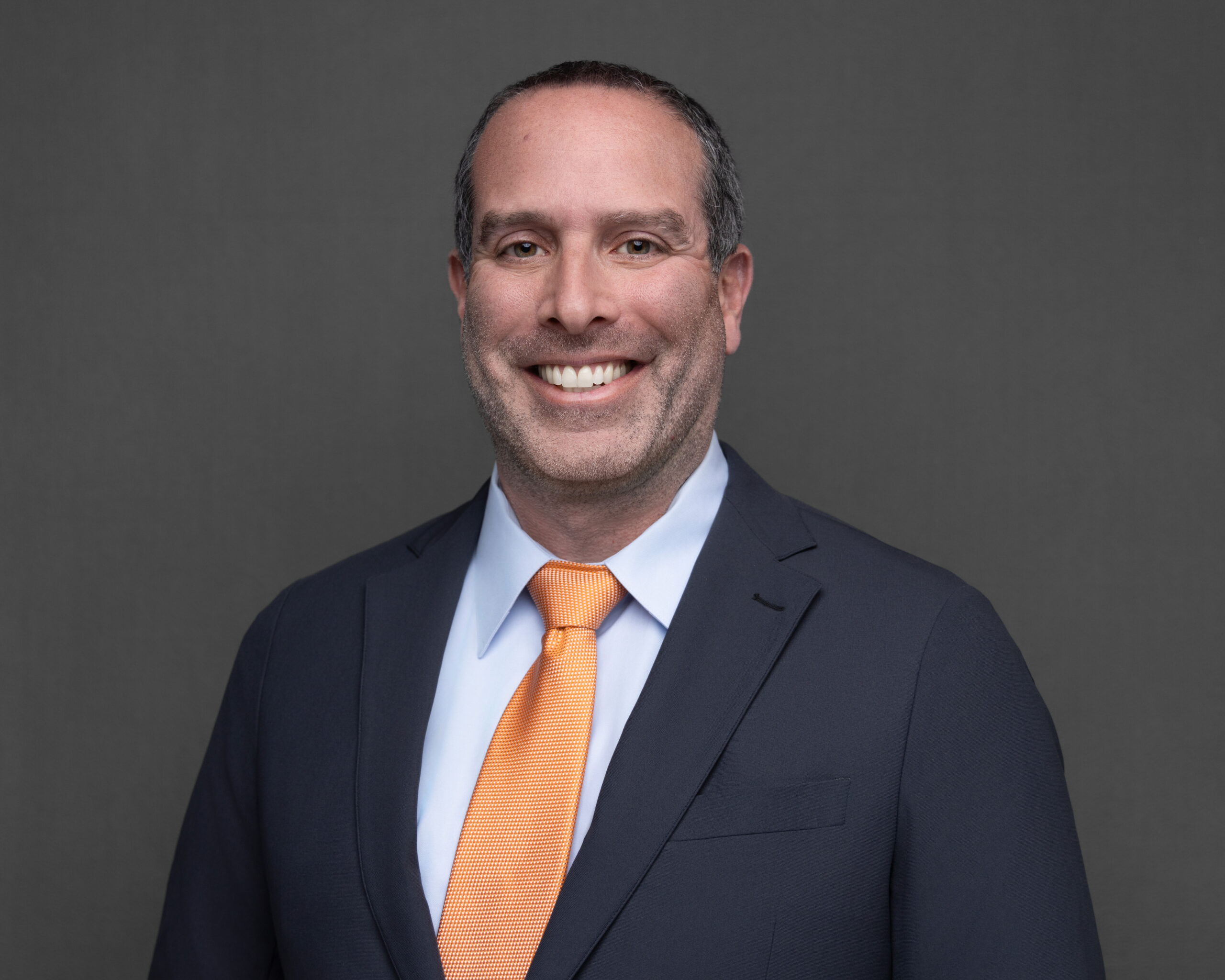
Scott Tobe’s travel memory ends with an ostrich. On honeymoon in Kenya with his wife, Becca, he had spent a day watching lions and elephants from a Jeep. That evening, with wine beside a campfire, an ostrich came charging toward them, stopped close by and sent him jumping from his chair. It is the kind of story that survives long after an itinerary has been forgotten: absurd and humbling.
Tobe recounts it in his Signature Wealth biography, which also describes a more ordinary ambition. Long working weeks make him want to be fully present with his wife and their two children on weekends. The Pittsburgh firm, founded by his father, Stephen, now lists him as partner and chief business development officer. A life built around family has room for travel that makes familiar assumptions feel less secure.
One earlier journey changed the way he understood giving. In a profile published by the Pittsburgh Foundation in 2015, Tobe recalled that his sister had drawn him, initially reluctantly, into volunteering through the Jewish Federation. Delivering food in Moldova made need concrete. He went on to describe philanthropic travel across regions including Africa, Eastern Europe and Central America, where the distance between a contribution and its consequences could shrink to a doorstep.
Belize left him thinking about the weight Americans assign to possessions. He remembered people placing greater emphasis on nature, relationships and family. Back in Pittsburgh, his work included involvement with Haitian Families First and the emergency-assistance organization SOS Pittsburgh. The Foundation’s account also describes his Chartered Advisor in Philanthropy training. The pattern is recognizable: an experience produces a question, and professional knowledge supplies another way to act on it.
His securities-broker registration is current with Kestra Investment Services, according to FINRA, which dates that association to 2005. He is also registered as an investment adviser through Kestra Advisory Services. These are distinct capacities within the financial business. They place his personal interest in what money can accomplish alongside the formal work of brokerage and advice, with its continuing responsibilities to clients.
Signature’s scale became public in a different way in November 2025, when Bluespring Wealth Partners announced its acquisition of the Pittsburgh business. Reporting at the time put the firm’s client assets at $1.41 billion. That was the size of the assets it served, not a disclosed purchase price. The transaction brought the practice into a larger organization while retaining its local identity, with payroll, human resources and other support functions among the work Bluespring could absorb.
The change makes the human continuity of a financial practice especially important. Clients arrive with relationships already established, and an acquisition introduces another institution behind those relationships. Signature’s chief executive, Marc Tannenbaum, presented the arrangement as a way to gain resources while maintaining the firm’s approach. Tobe’s current business-development role belongs to that next chapter of the enterprise his father began.
Outside the firm, he has argued for giving younger donors actual responsibility. Pittsburgh Magazine’s 2016 look at a new generation of philanthropists described the SteelTree Fund, with a pitch-and-selection format for Jewish community ideas. Tobe objected to the familiar committee assignment that asked younger people for money while leaving decisions elsewhere. Participation meant something more demanding: learning to judge a proposal and accepting responsibility for where the funds went.
The amounts under discussion could be substantial. In July 2016, the Pittsburgh Jewish Chronicle reported that the Jewish Federation’s annual allocations and grants totaled $22 million, with Tobe chairing the funding committee. Those were organizational resources, assembled through community fundraising and other funding streams. The article described support reaching local services and overseas programs. His role placed him inside the collective choices that determine what a community can sustain.
That interest in purposeful money also appears in Signature’s investment work. In Sustainable Pittsburgh’s 2024 commitments report, the firm reported approximately $50 million in sustainable investments and a goal of doubling assets in its socially responsible portfolio within five years. Tobe, then identified as CEO, described helping clients align investments with their convictions. A target remains a target, but it reveals the kind of conversation he wanted the business to make possible.
The travel stories and committee work point toward the same question: what becomes possible when someone pays attention? For Tobe, the answer keeps crossing borders and returning to Pittsburgh.